The AI Summit New York 2026: Enterprise AI at the Javits Center
The AI Summit New York returns December 9–10, 2026 at the Javits Center. Explore verified enterprise AI themes, agenda access and practical buyer and practitioner guidance.
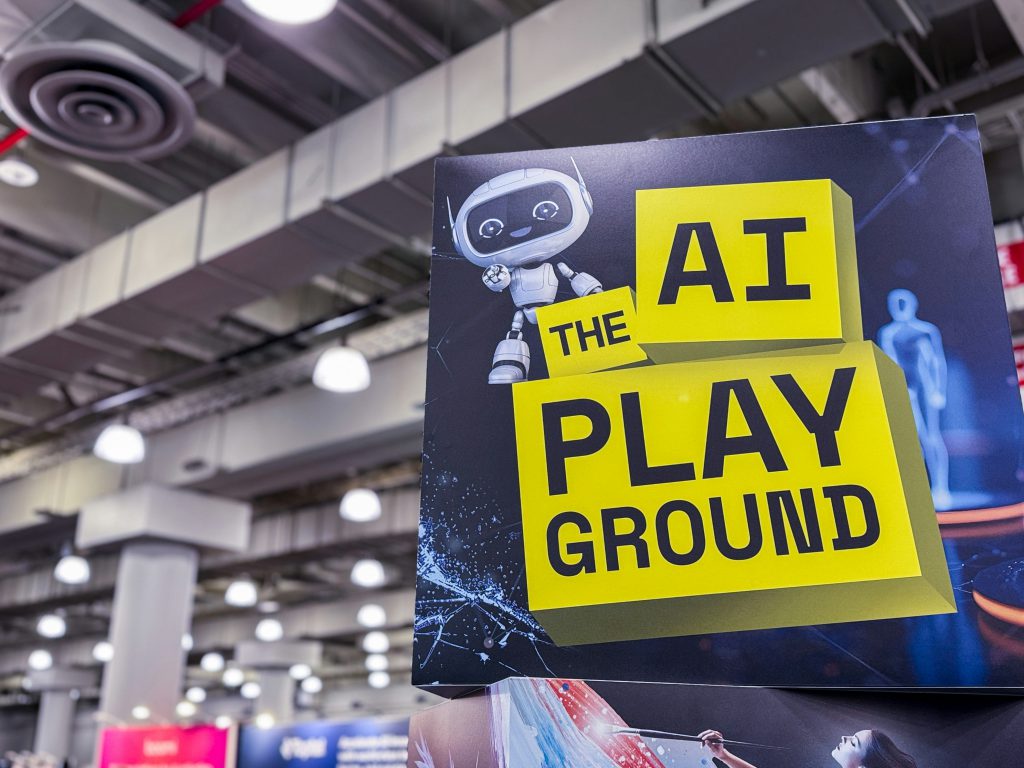
Verified 16 October 2026. This is an independent event guide. Confirmed organizer details are identified below; attendance and preparation suggestions are editorial advice.
Confirmed dates, venue and event identity
The AI Summit New York 2026 is scheduled for December 9–10 at the Jacob K. Javits Convention Center, 429 11th Avenue, New York City. It is part of The AI Summit Series under Informa. The official event positioning centers on commercial and enterprise AI: moving from an idea or pilot toward measurable organizational use. This is a useful distinction from a conference primarily devoted to publishing new machine-learning research.
Published program and intended audience
The organizer advertises an agenda of keynotes, case studies, technical discussion and panels across multiple tracks. Its stated themes include deployment, governance, scaling and business results. The official FAQ also describes a two-day hackathon, with its application deadline still to be confirmed. Check the current agenda for specific sessions rather than assuming every advertised experience is included with every pass.
The audience includes enterprise leaders, technical practitioners and people evaluating AI solutions. A cross-functional team can use that mix to connect model behavior with procurement, operations and accountability. A solo attendee should be clear about their own objective so that executive discussion, product demonstrations and technical material do not become an undifferentiated stream of information.
Evaluate enterprise AI claims with useful questions
Start with the process an AI system is intended to change. Identify the people who use it, the decision it influences and the cost of a mistake. This creates a better basis for evaluating a case study than asking only which model was used. A successful implementation usually involves data preparation, workflow design and operational support as well as model capability.
When a presenter reports business value, ask what baseline was measured, how long the observation lasted and which costs were included. Distinguish a controlled pilot from a deployed service and a projected saving from an observed one. A clear answer may reveal a valuable approach; an unclear answer is a reason to investigate rather than automatically dismiss or accept the claim.
For governance discussions, translate broad principles into responsibilities. Who owns an error report? Who can authorize new data access? How are model or prompt changes reviewed? What happens when a user disputes an output? These are editorial prompts for attendee preparation, not a claim that a scheduled session supplies a complete governance framework.
Build a practical buyer or practitioner agenda
A buyer should bring a concise requirements sheet: the workflow, volume, integration points, data constraints, desired outcome and a few failure examples. Use it consistently during product conversations. Ask to see the part of the system that is hardest to demonstrate, such as exception handling, audit history or a permission boundary. Record what remains unverified so that a later proof of concept can address it.
A technical practitioner can prepare a different brief: architecture, bottleneck, evaluation method and deployment constraints. Seek explanations of tradeoffs rather than simply collecting product names. A useful conversation may lead to a more rigorous test of an existing system instead of a decision to adopt a new tool.
For a team, divide the work between technical evidence and organizational feasibility, then compare notes. An appealing system may be difficult to integrate; a manageable deployment may not deliver enough benefit. Seeing both sides prevents conference enthusiasm from replacing a proper implementation decision.
Passes, venue access and price caution
The official website separates Expo, Delegate and VIP offerings. Their access differs, so use the current comparison page to check conference content, training and other benefits. The homepage displayed an offer ending October 15 when checked on October 16; this guide deliberately does not repeat that promotion as a current guaranteed rate. Confirm actual checkout terms and availability.
The FAQ gives different Javits entrances for some pass categories. Follow the instructions attached to your registration rather than assuming every visitor should enter through the same hall. Plan travel using the venue address and leave time for registration. A side event or hackathon may require an additional application, reservation or eligibility check.
Current limitations and follow-up
Dates, venue and the published enterprise focus are verified. This listing does not guarantee speaker attendance, hackathon acceptance, ticket inventory or a particular product outcome. After attending, create a shortlist with evidence, open questions and a small next test. Include reasons to reject an option as well as reasons to pursue it; that makes the work useful to colleagues who were not present.
The AI Summit New York FAQ
When and where is it?
The confirmed event dates are December 9–10, 2026, at the Javits Center in New York City.
Is an Expo pass the same as a conference pass?
No. The organizer distinguishes pass categories and their benefits. Compare the current inclusions against the sessions and activities you want to attend.
Is the hackathon confirmed?
The official FAQ describes a December 9–10 hackathon, but its application deadline was still to be confirmed. Check the current application requirements and do not assume general admission reserves a place.
What should I bring back to my organization?
Produce a decision-ready shortlist: the business problem, supporting evidence, implementation constraints and a test that could disprove the proposed benefit. That is more useful than a collection of vendor claims without context.
Official sources and image credit
- The AI Summit New York 2026 official overview — checked 16 October 2026.
- The AI Summit New York 2026 official FAQ — checked 16 October 2026.
- The AI Summit New York 2026 agenda — checked 16 October 2026.
- The AI Summit New York conference tracks — checked 16 October 2026.
Image: The AI Summit / Informa, official previous-edition AI Playground photograph used on the 2026 website; not a photograph of the future 2026 event. Official source.